

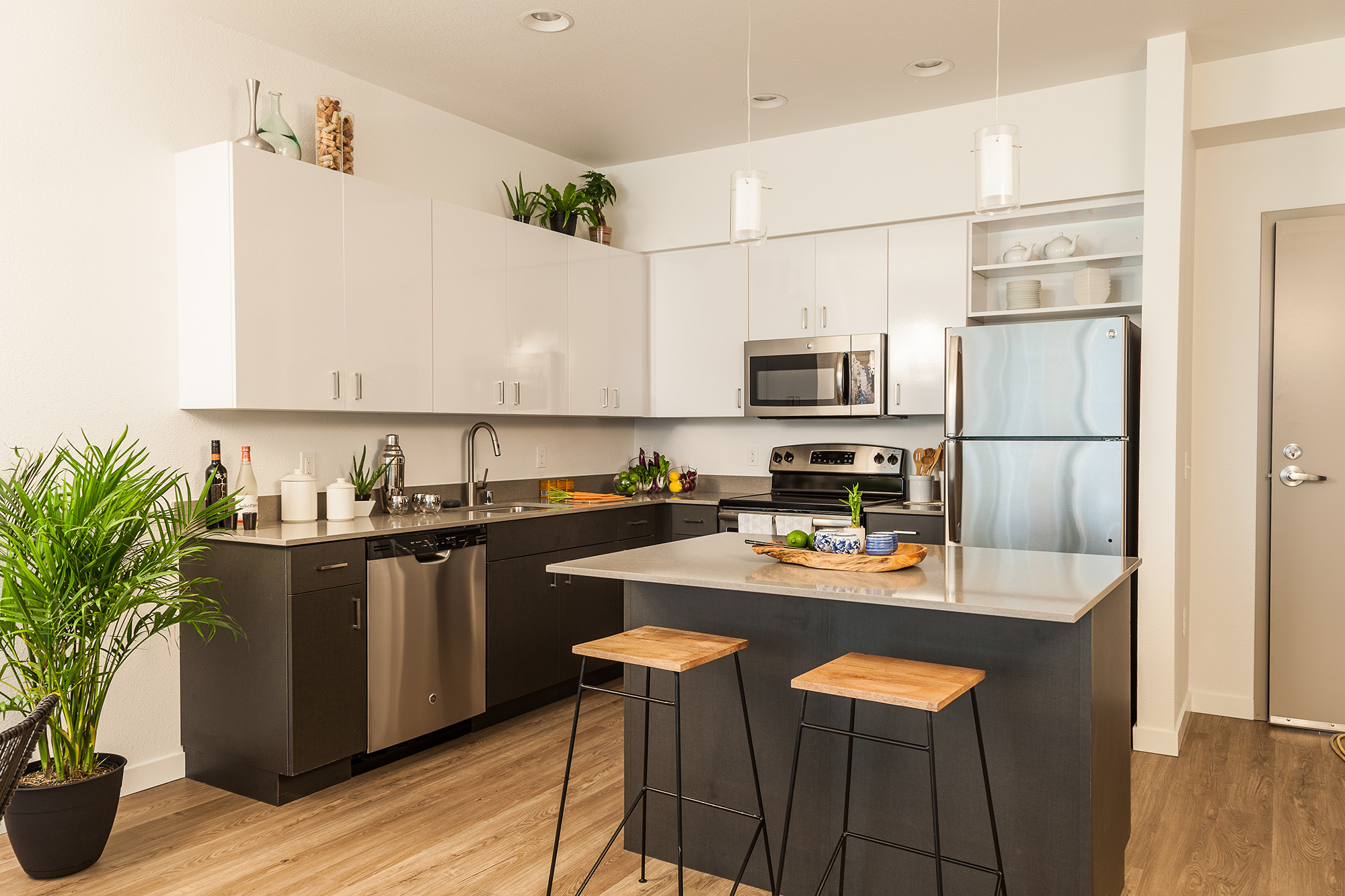
Cabinet color can make a noticeable difference in the way your kitchen looks and feels. The right shade can brighten the room, introduce warmth, or create a striking focal point. However, choosing a color involves more than picking a favorite from a sample card. You also need to consider your kitchen's natural light, existing finishes, and the atmosphere you want to create.
If you are planning a kitchen update, explore All Floors and More cabinetry to discover options for your space. You can also explore kitchen remodeling ideas to see how cabinetry can complement a broader design.
Start With the Lighting in Your Kitchen
Lighting can change how a cabinet color appears throughout the day. A shade that looks bright in a showroom may appear warmer or darker in your kitchen. Rooms with limited natural light may benefit from lighter colors, such as white, cream, or soft gray, which can help create a brighter appearance.
If your kitchen receives plenty of daylight, you have more flexibility to consider deeper shades, including navy, forest green, or charcoal. Before making a final decision, view cabinet samples under your kitchen's lighting conditions.
Coordinate Cabinets With Your Flooring
Your cabinets and flooring occupy significant visual space, so their colors should work together. If your flooring features warm wood tones, creamy whites or earthy cabinet shades may create a comfortable, coordinated look. Cooler gray flooring can pair well with crisp white, muted blue, or other cool toned cabinets.
You do not need to match every finish exactly. In fact, a little contrast can make the design more interesting. The key is to choose tones that complement one another rather than compete for attention.
Choose a Color That Fits Your Style
Think about the overall look you want for your kitchen. White cabinets can create a clean, timeless appearance, while natural wood finishes introduce texture and warmth. Darker colors can give the room more depth, especially when balanced with lighter countertops and walls.
If you enjoy changing your décor occasionally, a neutral cabinet color can provide flexibility. You can introduce seasonal colors or personal touches through accessories, lighting, and decorative details without needing to change the cabinetry.
Consider the Size and Layout of the Room
In a compact kitchen, lighter cabinet colors can help the space feel more open. In a larger kitchen, darker cabinetry or contrasting island colors can add definition and visual interest.
You can also combine two cabinet colors to create a balanced design. For example, lighter cabinets around the perimeter and a deeper shade on the island can create a focal point without overwhelming the room.
Find the Right Look for Your Kitchen
Choosing cabinet colors becomes easier when you consider lighting, flooring, room size, and your preferred style together. All Floors and More can help you explore cabinetry options for your project. Contact us to discuss your ideas and take the next step toward a kitchen that feels right for your home.


